
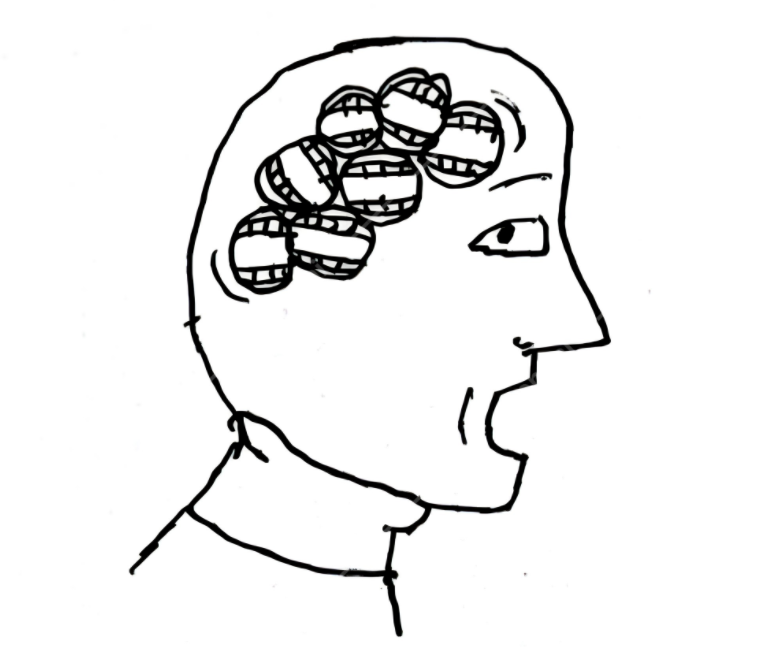
Mental health has become the dominant framework through which governments, international organizations, schools, employers, and charities interpret an ever-growing range of social problems. The OECD now describes mental ill health as one of the greatest public health and economic challenges facing advanced societies, urging governments to invest even more heavily in prevention, awareness, and early intervention. The assumption is straightforward: the more we talk about mental health, the healthier society will become.
The evidence increasingly points in the opposite direction.
For decades, Western societies have experienced successive therapeutic movements—from self-esteem and happiness to mindfulness and, today, mental health awareness. Each has promised to improve wellbeing by encouraging people to reinterpret ordinary struggles through a psychological lens. Yet despite unprecedented investment in awareness campaigns, diagnoses continue to rise, demand for mental health services continues to grow, and ever larger segments of the population describe themselves as mentally unwell.
This paradox is not entirely new. Critics such as Thomas Szasz, Christopher Lasch, Frank Furedi, and the philosopher Ian Hacking long argued that psychological categories do more than simply describe human experience—they actively reshape it. As new diagnostic labels become culturally widespread, people increasingly interpret normal emotions, setbacks, and personality traits through clinical language. The result is not merely greater recognition of illness but an expansion of what counts as illness in the first place.
Recent psychological research increasingly supports this concern. Multiple experimental studies have found that exposure to mental health awareness materials lowers people’s threshold for identifying disorders in themselves and others. Campaigns designed to increase awareness of ADHD, depression, and other conditions consistently encourage symptom-scanning, increase self-diagnosis, and in some cases intensify reported symptoms. Young people appear particularly susceptible to these effects, suggesting that awareness campaigns may unintentionally contribute to the very problems they seek to address.

Developments in countries with highly developed mental health systems illustrate this dynamic. In the Netherlands, a nationwide mental health awareness campaign was followed by rising rates of diagnosable disorders and rapidly growing demand for services. Similar trends can be observed across Britain, where mental health conditions have become the primary driver of disability benefit claims among working-age adults. In the United States, social media platforms have created an environment in which psychiatric terminology spreads rapidly, encouraging widespread self-diagnosis and reinforcing the idea that psychological distress is best understood through clinical categories.
The persistence of this framework reflects political incentives as much as scientific evidence. Framing social problems as matters of mental health allows governments to promise action without confronting deeper political or economic conflicts. Problems rooted in housing costs, insecure employment, declining living standards, educational failures, or agricultural policy can instead be reframed as questions of resilience, wellbeing, or psychological support. Structural conflicts are transformed into individual therapeutic challenges.
This tendency is evident in European policymaking. Rather than asking why certain professions experience unusually high levels of stress or suicide, policymakers often propose resilience training and expanded psychological services. Such responses may alleviate symptoms for some individuals, but they leave untouched the underlying economic and political conditions generating distress. The language of mental health shifts public debate away from questions of power, distribution, and governance toward individualized solutions administered by experts.
Public opinion suggests that citizens themselves remain less convinced by this therapeutic worldview than policymakers assume. Survey data frequently show that people identify material security, employment, housing, and living standards as the primary determinants of their wellbeing, while public awareness campaigns rank among the least important influences. Even after decades of therapeutic messaging, many people continue to recognize that the most effective way to improve psychological wellbeing is often to improve the social and economic conditions under which people live.
None of this implies that mental illness is unreal or that those experiencing serious psychiatric disorders should not receive treatment. Severe mental illness remains a genuine medical concern deserving effective care. The problem lies in expanding psychiatric language to encompass ever broader domains of ordinary human experience. As diagnostic categories proliferate and awareness campaigns intensify, societies risk producing greater dependency on therapeutic institutions while encouraging people to understand themselves primarily through the language of pathology.
If governments genuinely wish to improve wellbeing, they should spend less time encouraging people to talk about mental health and more time addressing the material conditions that shape their lives. Stable employment, affordable housing, functioning public services, secure communities, and rising living standards are likely to do more for psychological wellbeing than another awareness campaign. Rather than medicalizing everyday life, policymakers should restore politics to the realm where it belongs: the conditions under which people live, work, and build meaningful lives.