
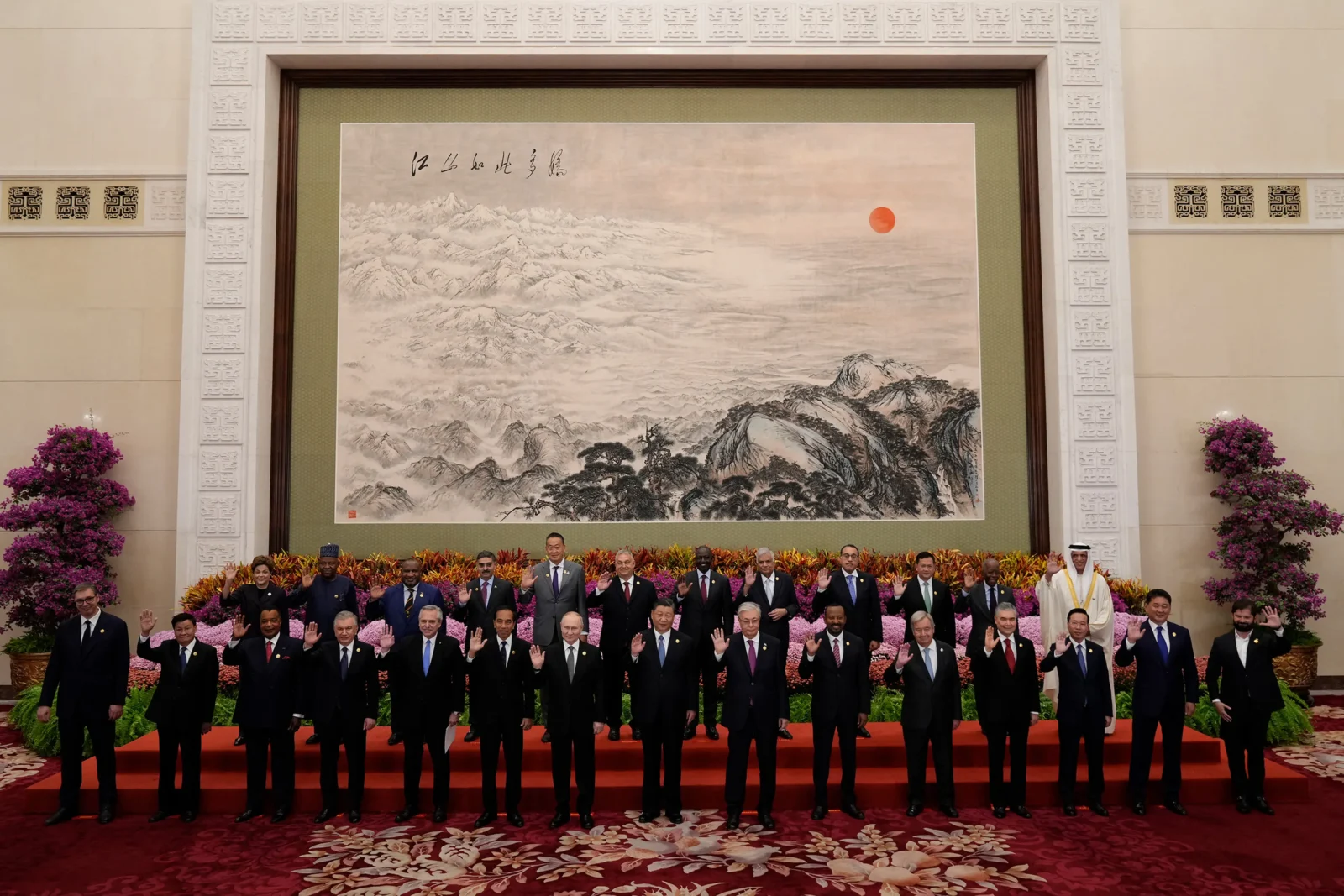
China is often described as a communist state, yet the ideology that legitimizes Communist Party rule today bears little resemblance to classical Marxism. Rather than emphasizing class struggle, socialism, or revolution, Xi Jinping has increasingly grounded the Party’s authority in a civilizational narrative of national unity. Drawing on Confucian concepts such as datong (“great unity”) and tianxia (“all under heaven”), the Chinese leadership presents the country as a civilization that has peacefully integrated diverse peoples over five millennia into a single political and cultural community.
According to this vision, political unity is the foundation of cultural unity. China’s ethnic diversity is acknowledged, but all groups are portrayed as members of one indivisible national family whose shared destiny depends on territorial integrity, social harmony, and centralized state authority. This historical narrative simultaneously legitimizes Communist Party rule and strengthens Beijing’s claims over territories such as Taiwan, Xinjiang, and Tibet by portraying them as inseparable parts of a continuous Chinese civilization.
The implications extend beyond domestic politics. Chinese officials and intellectuals increasingly argue that the principles underpinning China’s own development should serve as a model for international order. Rather than a world organized around competing nation-states and liberal individualism, they envision a system based on mutual respect, collective welfare, and harmonious cooperation under the broader framework of tianxia. Philosophers such as Zhao Tingyang argue that globalization has rendered traditional notions of sovereignty increasingly obsolete and that only a more integrated, communitarian worldview can overcome conflict and inequality.
Supporters present this philosophy as a peaceful alternative to Western great-power competition. They argue that China’s emphasis on non-interference, mutual benefit, and long-term cooperation distinguishes it from earlier imperial powers and offers a more stable basis for global governance.
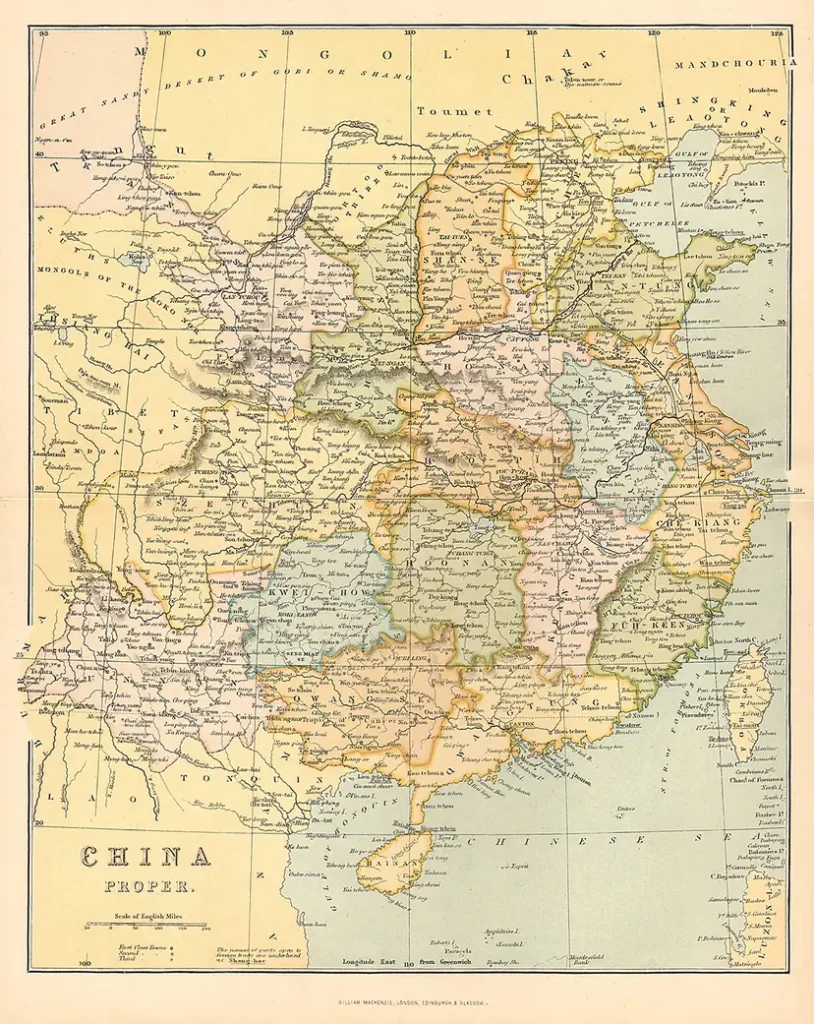
Many outside China remain unconvinced. Critics argue that Beijing’s rhetoric of harmony sits uneasily alongside its increasingly assertive foreign policy. Military pressure on Taiwan, territorial claims in the South China Sea, economic coercion against neighboring states, and the strategic use of infrastructure investments through the Belt and Road Initiative have led many observers to view China’s behavior as a new form of imperialism. Although China has generally avoided large-scale territorial expansion beyond the historical boundaries of the Qing Empire, it has demonstrated a willingness to employ economic leverage and military power in pursuit of strategic objectives.
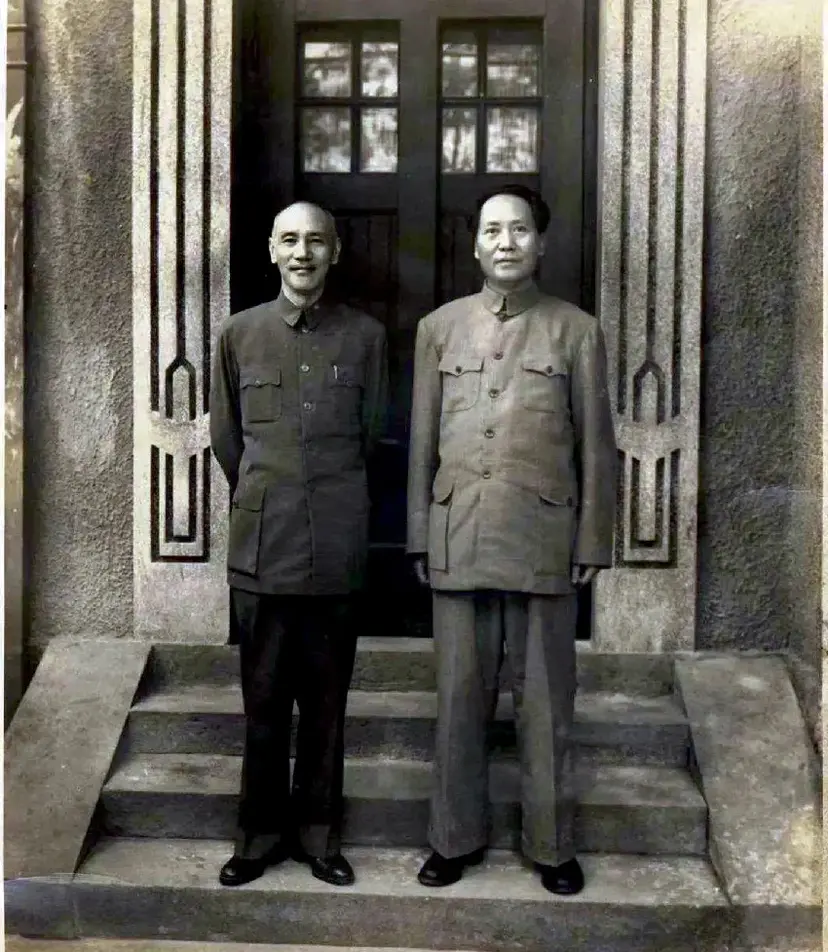
The ideology of “great unity” also raises important historical questions. Many historians argue that it projects a modern nationalist narrative onto an extraordinarily diverse imperial past. Rather than describing Chinese history objectively, it selectively emphasizes episodes that reinforce the image of an ancient, continuous nation while downplaying conquest, political fragmentation, and ethnic diversity. In this respect, the concept resembles earlier nationalist interpretations advanced by Chiang Kai-shek during the Republican era, despite the profound ideological differences between the Nationalists and today’s Communist Party.
Ultimately, the revival of Confucian political thought reflects more than an interest in cultural tradition. It addresses a deeper problem of political legitimacy. As market reforms transformed China into a capitalist economy and Marxist ideology lost much of its mobilizing force, the Communist Party increasingly turned to nationalism and civilizational identity as new sources of authority. Confucianism provides a language of continuity, order, and moral leadership that can justify centralized rule more effectively than appeals to socialism.
Whether the doctrine of “great unity” represents a genuine alternative model of international order or simply a sophisticated justification for Chinese power remains an open question. What is clear is that it has become central to Beijing’s understanding of both China’s past and its ambitions for the future. As China’s global influence continues to expand, understanding this worldview is essential for interpreting both its domestic politics and its increasingly assertive role on the world stage.