
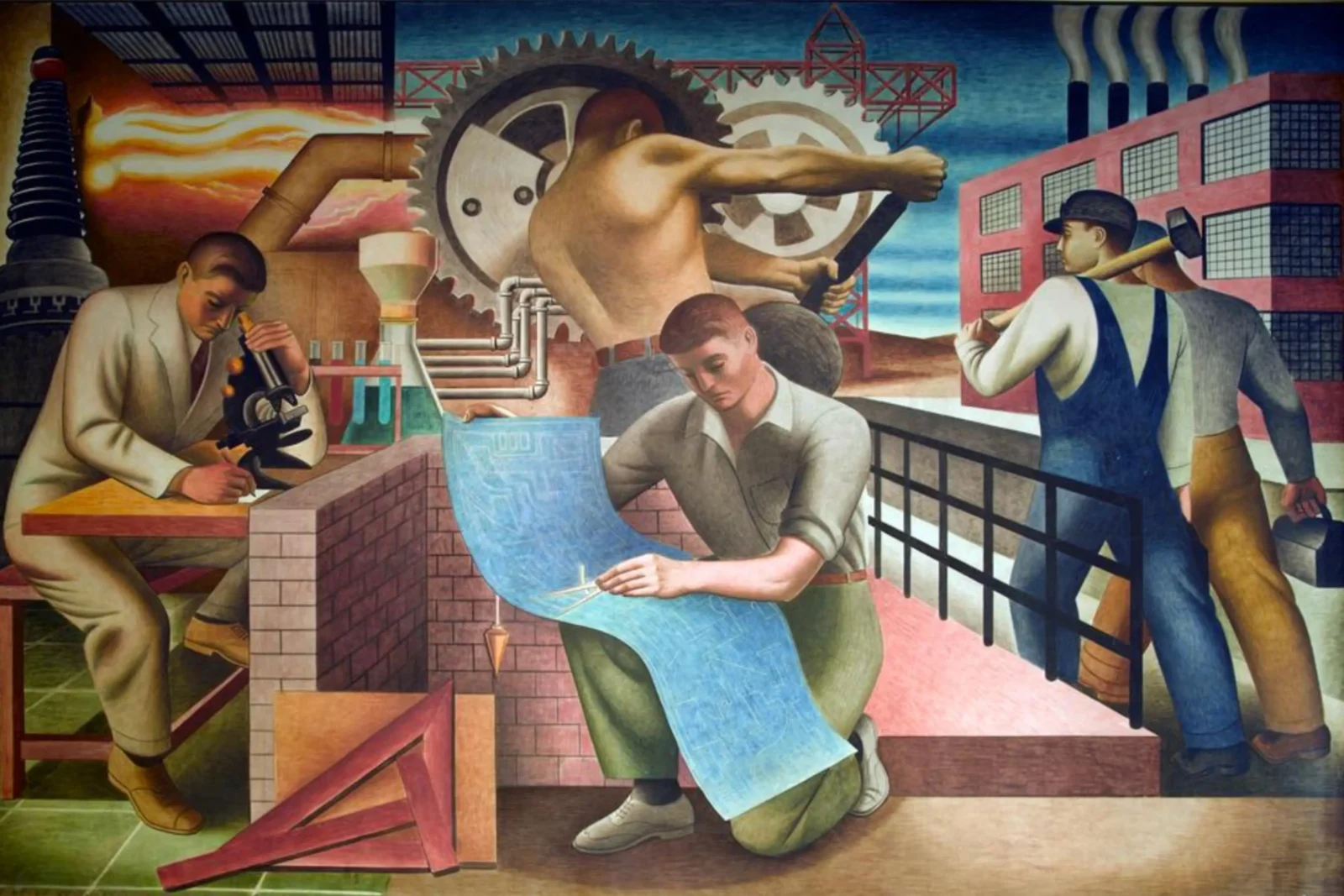
The traditional distinction between the political Left and Right often struggles to explain contemporary politics. If the Left represents workers, why do many of the world’s wealthiest and most economically dynamic regions consistently support left-leaning parties? Conversely, why do large segments of the working class continue to vote for conservative parties that appear to favor business interests? These contradictions suggest that the conventional framework of class conflict captures only part of the political landscape.
Writing decades before the French Revolution, the Scottish philosopher David Hume offered a remarkably different way of understanding political conflict. In his 1752 essay Of Public Credit, Hume argued that the rise of financial markets was transforming the foundations of political power. For centuries, wealth had been tied primarily to land ownership. Political influence rested with landholding elites whose fortunes depended on agriculture, local communities, and territorial stability. The emergence of government debt, stocks, and bonds, however, created an entirely new class of wealth holders whose interests no longer depended on land but on financial assets and commercial expansion.
Hume regarded this transformation with deep concern. Public borrowing allowed governments to finance military campaigns and overseas trade without accumulating reserves beforehand. Rather than fighting wars primarily for territorial defense or conquest, states increasingly pursued commercial and imperial objectives financed by private investors. In Hume’s view, financial markets fundamentally altered the relationship between governments, war, and economic power.
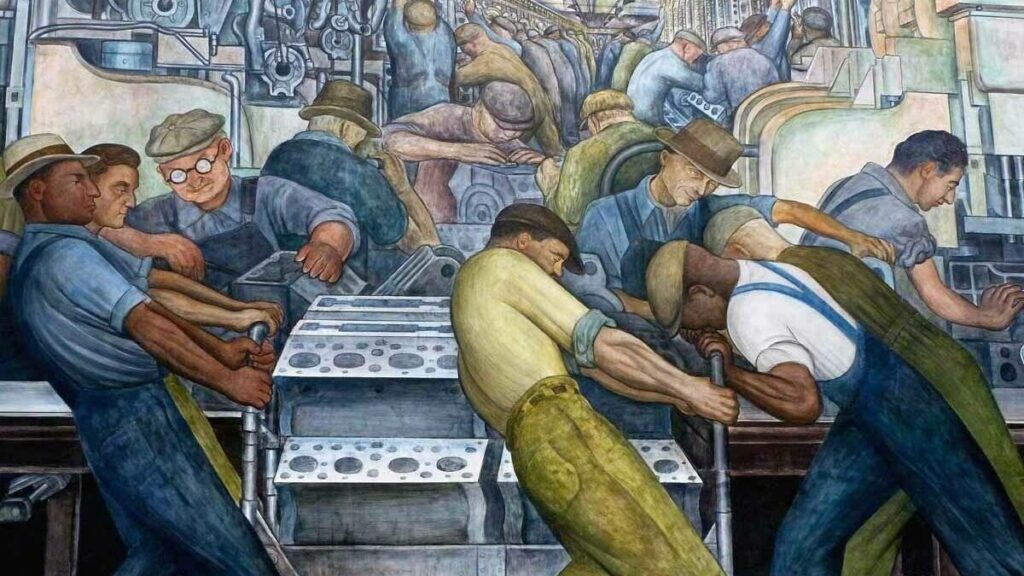
More importantly, the rise of financial wealth produced a new political alignment. Unlike land, financial assets could be bought and sold by anyone with sufficient capital, creating an increasingly influential class of stockholders whose prosperity depended on expanding commerce, stable credit markets, and international trade. Their interests differed markedly from those of traditional landowners, whose wealth remained rooted in local production and territorial control.
This distinction between landholders and stockholders offers an alternative lens through which to interpret modern political divisions. Many contemporary political conflicts revolve less around the opposition between workers and capitalists than around competing economic models. Financial and globally integrated sectors generally favor open markets, international cooperation, immigration, and free movement of capital. More locally rooted industries, property owners, and communities dependent on domestic production often place greater emphasis on national sovereignty, economic protection, and social stability.
Hume also warned that financial capitalism would reshape political culture itself. He believed that governments increasingly dependent on borrowing would promote expanding notions of liberty because commercial societies required greater individual freedom to facilitate investment, trade, and economic mobility. In his view, enthusiasm for liberty was becoming intertwined with the interests of financial markets rather than emerging solely from philosophical reflection.
Although Hume viewed these developments pessimistically, many of his observations anticipated central features of the modern economy. Today’s political debates frequently pit globally connected financial and knowledge-based sectors against regions more dependent on manufacturing, agriculture, and local production. Electoral divisions increasingly reflect differences between metropolitan centers integrated into global markets and communities whose economic fortunes remain tied to physical assets and domestic industries.